
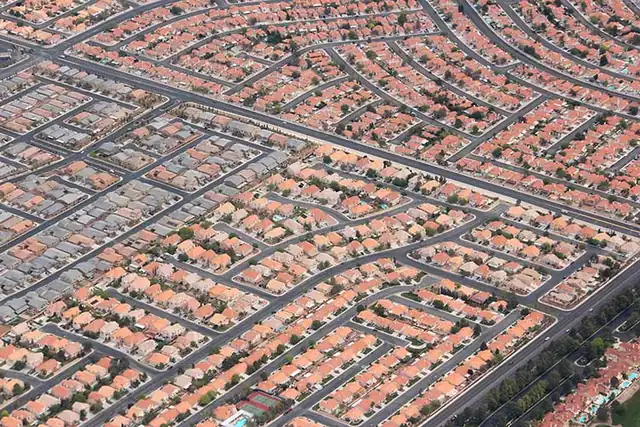
“What size AC do I need?” is one of the most important questions in a replacement, and one of the most often answered wrong. In Las Vegas, where a system has to hold the house comfortable through 110°+ afternoons, getting the size right decides how cool you stay, how much you pay every month and how long the equipment lasts.
AC size is measured in tons
Air conditioner capacity is measured in tons, which has nothing to do with weight. One ton of cooling removes 12,000 BTU of heat per hour. Home central air systems usually come in half-ton steps from about 1.5 to 5 tons.
| Tons | BTU per hour |
|---|---|
| 1.5 tons | 18,000 BTU |
| 2 tons | 24,000 BTU |
| 2.5 tons | 30,000 BTU |
| 3 tons | 36,000 BTU |
| 3.5 tons | 42,000 BTU |
| 4 tons | 48,000 BTU |
| 5 tons | 60,000 BTU |
A rough guide by square footage
In a hot desert climate like Las Vegas, a common rule of thumb is roughly one ton for every 400–500 square feet of living space. Treat this as a starting point to sanity-check a quote, not as the size to buy:
| Home size | Rough starting range |
|---|---|
| Up to about 1,000 sq ft | 2–2.5 tons |
| 1,000–1,500 sq ft | 2.5–3.5 tons |
| 1,500–2,000 sq ft | 3.5–4 tons |
| 2,000–2,500 sq ft | 4–5 tons |
| Over 2,500 sq ft | Often two systems (for example, one per floor) |
A well-insulated, newer home with shaded, low-E windows can land below these ranges. An older home with a west-facing wall of glass, a dark roof or leaky attic ducts can land above them. That’s exactly why square footage alone isn’t enough.
How many people live in the home matters too
Every person in a house gives off heat, and more people means more cooking, showers, laundry, TVs and computers running. The chart above assumes a typical household: on average, about 3 people in a 2,000 sq ft home. If 6 people live in or regularly use that same space, we generally size the system about a half ton bigger. In Las Vegas, where summers reach above 110°F almost every year, that extra capacity is often the difference between a house that stays comfortable at 5 p.m. and one that never quite cools down.
Why bigger isn’t better
It’s tempting to “go up a size” to be safe in the desert. An oversized AC causes its own problems:
- Short cycling: it cools the air near the thermostat fast and shuts off before the rest of the house catches up.
- Uneven rooms: short runs don’t move enough air to the far bedrooms.
- Clammy air: brief cycles remove less moisture, noticeable during monsoon season.
- Extra wear and cost: frequent starts are hard on the compressor, and a bigger unit costs more to buy.
An undersized system has the opposite problem: it runs nonstop on the hottest afternoons, never quite reaches the setting, and wears out early.
What actually decides the right size
A proper sizing (called a load calculation; the industry standard method is known as Manual J) adds up how much heat your specific house gains on a design-day afternoon. It looks at:
- Square footage and ceiling height
- Insulation in the attic and walls
- Window size, direction and glass type
- Roof color and attic ventilation
- Sun exposure and shade
- Air leaks around doors, windows and attic
- Number of people and heat-producing appliances
- Duct size, condition and location
Don’t just copy the old unit’s size
The size on your old unit’s label is a clue, not an answer. It may have been sized wrong from the start (in Las Vegas, more often too small than too big), and since then you may have added insulation, replaced windows, enclosed a patio, converted the garage or grown the family. Matching it can repeat an old mistake for another 15 years.
Why so many Las Vegas homes are undersized
If your AC runs all afternoon and still can’t cool the house, an undersized system is a very common cause. In Stephen’s more than 20 years servicing Las Vegas homes, he regularly sees homes built by California-based builders whose original systems are about a half ton too small. The sizing didn’t fully account for the Las Vegas summer heat. A 2,000 sq ft house in Las Vegas needs noticeably more cooling than the same 2,000 sq ft house in Los Angeles, because on a 110°+ afternoon the AC is fighting a much bigger gap between indoor and outdoor temperature, and it struggles more to keep up.
When it’s time to replace, correcting that half ton is often what finally makes the house comfortable. We confirm it with the home itself, not a guess: square footage, insulation, windows, sun exposure, the number of people living there and the ductwork. If your system is fairly new but still not keeping up, see AC running but not cooling first; it may be a repairable problem.
Your ducts have to match
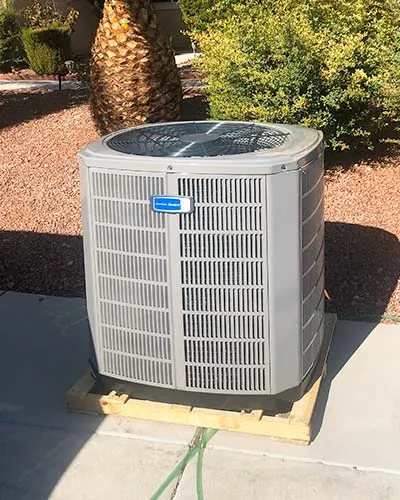
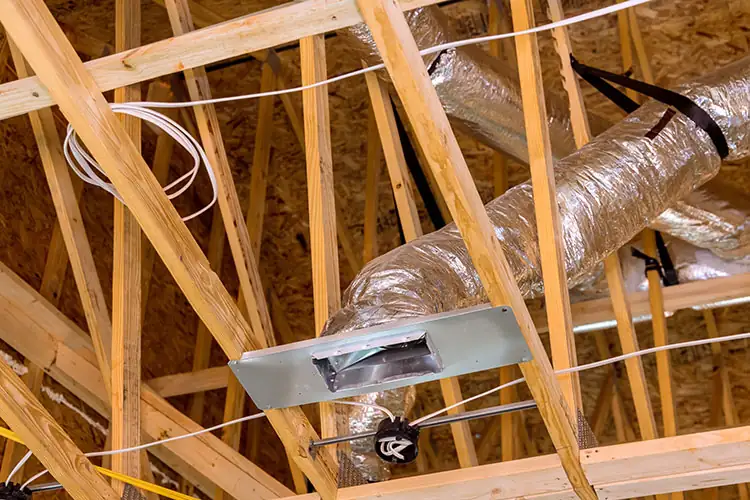
A new system can only deliver the air your ducts can carry. Undersized or leaky ducts make even a correctly sized AC noisy and weak, and moving up in tonnage without checking them can make the problem worse. We check duct size and condition on every replacement; if they need work, see duct replacement.

How size affects the price
Size is one of the two biggest factors in what a new system costs, along with its SEER2 efficiency rating. A new AC system from Save On costs $6,500–$12,000: smaller systems for condos and smaller homes sit toward the lower end, larger systems toward the upper end. Our AC replacement cost guide explains the rest.
Get it sized for free
Every Save On replacement quote includes sizing the system to your home, free and in writing. We’ll explain the size we recommend and why, so you can compare it fairly with other quotes. Learn more about AC installation, or call (702) 885-5000.
We needed to replace our entire HVAC system for our property in Vegas. We’re from out of town so we were hesitant about doing this whole process. He explained the process and helped make everything run smoothly. His team installed the entire system in a timely manner and everything looks better than we expected, very seamless.
Steven and his team were professional, efficient and friendly. Arrived on time as promised, explained the process thoroughly and answered all of our questions. The installation was seamless, and they left everything clean and tidy afterward.
More AC guides
-
Guide
AC Running but Not Cooling? Causes and Fixes
Five safe checks you can do yourself, the seven usual causes, and when to call for AC repair.
-
Guide
AC Freezing Up? Why It Happens and What to Do
Ice on your AC in the desert? What to do right now, the airflow and refrigerant causes, and prevention.
-
Guide
AC Replacement Cost in Las Vegas
What a new AC costs ($6,500–$12,000), what moves the price up or down, and how to save.
-
Guide
AC Making Strange Noises? What Each Sound Means
Buzzing, clicking, screeching, grinding or hissing: what each sound means and when to turn the AC off.
-
Guide
Best Thermostat Setting for Summer in Las Vegas
Home, away, asleep and on vacation: settings that keep the family cool and the power bill down.
-
Guide
Repair or Replace Your AC? A Las Vegas Guide
Age, refrigerant, which part failed and a simple rule of thumb to help you decide.
FAQ
AC Sizing FAQ
What size AC do I need for a 2,000 square foot house in Las Vegas?
As a rough rule of thumb in a hot desert climate, around 4 tons for a typical household of about 3 people. With around 6 people, plan on roughly a half ton more. Insulation, windows, sun exposure and ductwork also matter, so a load calculation gives the real answer.
Does the number of people in my home affect AC size?
Yes. People, cooking, showers and electronics all add heat. If about 6 people live in a 2,000 sq ft home instead of the typical 3, we generally size the system about a half ton bigger, especially for Las Vegas summers above 110°F.
Why won’t my AC cool my Las Vegas house on hot days?
If the system is working properly but can’t keep up on 110°+ afternoons, it may be undersized. Many Las Vegas homes from California-based builders came with systems about a half ton too small for the local heat. Have it checked for an AC repair problem first.
How many square feet does one ton of AC cool?
In Las Vegas, a common rule of thumb is roughly 400–500 square feet per ton. Newer, well-insulated homes may need less; older homes with lots of sun-facing glass may need more.
Is it better to get a bigger AC unit in Las Vegas?
No. An oversized AC short cycles, leaves rooms uneven, removes less humidity and wears out faster. The goal is the right size, not the biggest.
Should my new AC be the same size as my old one?
Not necessarily. The old unit may have been sized wrong, and upgrades like insulation or new windows change what the house needs.
What is the largest residential AC unit?
Five tons is the largest common single residential system. Larger homes often use two systems instead.
Get your system sized right, free.
Nationally certified technicians, upfront pricing and a 10-year parts warranty. Emergency AC repair 24/7.